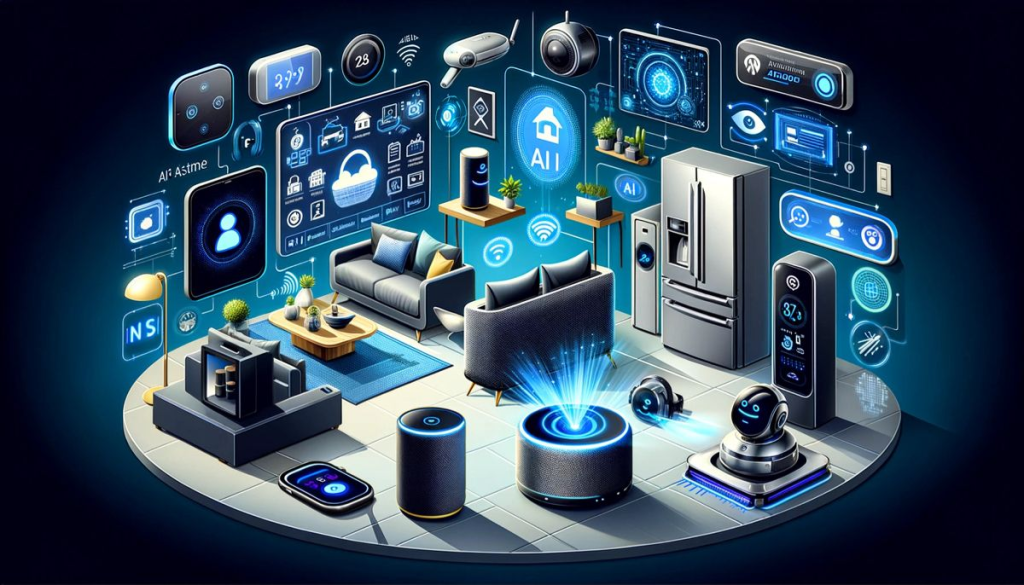
The smart home has been “the future” for so long that it is easy to forget it quietly arrived. Lights that follow your schedule, doorbells that show you the doorstep from another continent, thermostats that learn when you come home — these are no longer prototypes but products on ordinary shelves at ordinary prices. Yet the market is also full of gimmicks that complicate life in the name of automating it. This guide focuses on the smart home gadgets that genuinely make daily life easier, how to choose them so they work together, and the privacy and reliability questions to settle before your house gets a brain.
Smart Lighting: The Easiest Win
Lighting is where most people should start, because the benefit is immediate and the installation is a light bulb. Smart bulbs and switches let you dim without rewiring, warm the colour temperature in the evening, and schedule lights to greet you or simulate occupancy while you travel. The mature decision is between smart bulbs (simple, ideal for lamps and renters) and smart switches (better for ceiling lights, and they keep working when someone flips the physical switch). Group lights by room, set a few scenes — morning, movie, away — and stop there. Lighting succeeds as a gadget category because it disappears into habit; within a week you will simply expect the hallway to light itself. Add voice control through a speaker or your phone and the convenience compounds, especially for anyone with mobility difficulties, for whom these systems are not luxuries at all.
Video Doorbells and Home Security
Security is the second proven category. A video doorbell answers the door from anywhere, deters parcel theft by its presence, and records the evidence when deterrence fails. Smart cameras extend the same idea indoors and out, with person detection that has become genuinely reliable — modern models distinguish a person from a pet or a swaying branch, using the same pattern-recognition technology that powers modern AI assistants. When buying, check three things: whether footage is stored locally or requires a subscription (the honest total cost), night-vision quality, and how the system behaves during an internet outage. Smart locks complete the picture for many homes, offering keyless entry, temporary codes for guests and cleaners, and an audit trail of who came and went.
Thermostats and Energy Gadgets That Pay for Themselves
Most gadgets cost money; a few return it. A learning thermostat trims heating and cooling bills by heating the home you actually live in — warming before you wake, easing off when the house empties — and typically pays for itself within a couple of heating seasons. Smart plugs with energy monitoring reveal the appliances silently drinking power, while smart radiator valves and zoned controls attack the commonest waste of all: heating empty rooms. Pair these with the scheduling features in the productivity apps that help you get more done and your home starts running on the same principle as a well-run calendar — resources directed where the people actually are. None of this requires a mansion; a flat benefits proportionally more, because every saved unit is a larger share of a smaller bill.
Robot Vacuums and Everyday Helpers
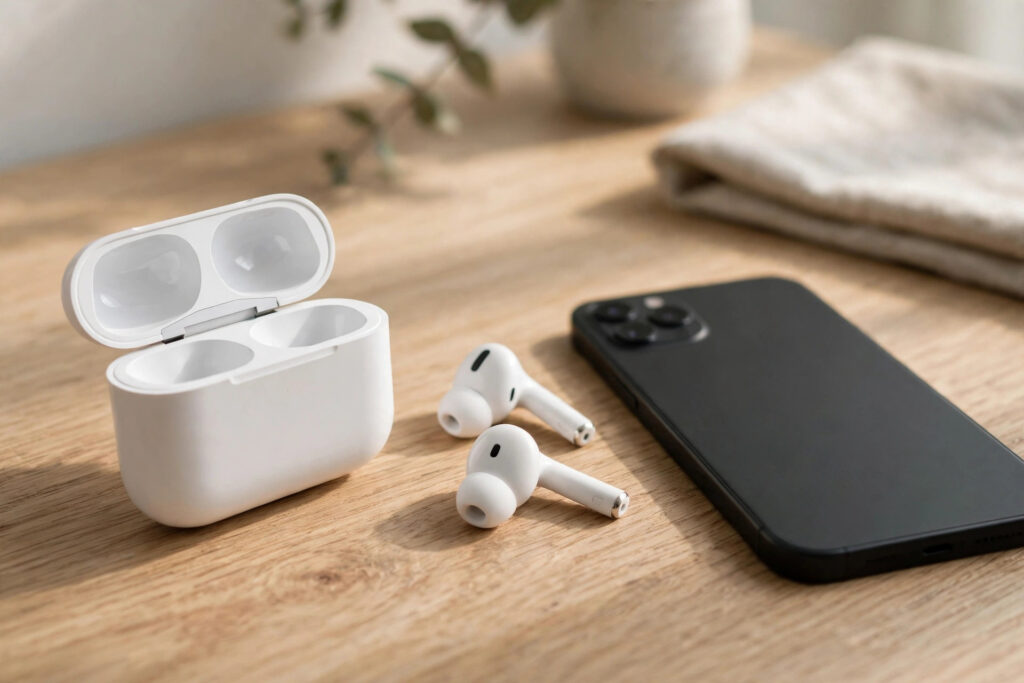
The robot vacuum has crossed from novelty to appliance. Current models map your home, avoid cables and pet accidents, empty themselves into a base, and clean on a schedule while you are out — the floor simply stays clean as a background fact of life. Around it cluster smaller helpers: smart speakers that run timers and shopping lists by voice, connected plugs that make a “dumb” coffee maker start at 7 a.m., leak sensors under sinks and washing machines that have saved countless floors by alerting early, and air-quality monitors that tell you when to open a window or run a purifier. Audio deserves a mention too — a good multi-room setup often starts with choosing the right personal listening gear, and our guide to choosing wireless earbuds for your budget covers the same value-versus-features thinking that applies across this whole category.
Making It All Work Together: Standards and Hubs
The historic frustration of smart homes was fragmentation — every brand its own app, its own account, its own abandoned product line. The industry has finally responded with Matter, a shared standard designed so devices from different brands work together and can be controlled locally rather than through a chain of company clouds. Practical advice: prefer devices supporting Matter or at least your chosen platform (the assistant ecosystem you already use), keep the number of apps small, and favour products that keep working — lights on switches, locks with physical keys — when the internet dies. A smart home that fails dumb is a badly designed home. Buy slowly, one room or one problem at a time, and let each addition prove itself before the next.
Smart Entertainment and the Connected Living Room
The living room is where smart technology meets its toughest audience — everyone, including guests and grandparents — so it rewards simplicity. A streaming device or smart TV that unifies your services behind one remote, speakers that group for whole-home audio or isolate for a podcast in the kitchen, and bias lighting behind the screen that eases eye strain are the upgrades people actually praise a year later. Game consoles double as media hubs, and even entertainment spending habits are being reorganised around connected platforms. The rule from every other room applies double here: if a visitor cannot work out how to watch television in your home within thirty seconds, the setup has failed its most basic test, whatever its specifications claim.
Privacy: The Question to Ask of Every Device
Every microphone, camera, and sensor in your home is also a data source, so end with the questions that matter. What does this device record, where is it stored, who can access it, and what happens to the data if the company is sold or shuts down? Prefer brands with clear policies, local-processing options, physical mute switches on microphones, and camera shutters on indoor devices. Put smart devices on a separate guest Wi-Fi network if your router allows it, keep firmware updated, and use unique passwords with two-factor authentication on the accounts — the same discipline behind the AI tools small businesses rely on applies doubly at home. Chosen carefully, smart home gadgets deliver their promise: a house that quietly handles a hundred small tasks, leaving you the attention those tasks used to consume.