The smartphone in your pocket is already more powerful than the computers that ran entire companies twenty years ago, yet the future of smartphones promises changes far bigger than faster chips. Folding screens are maturing, cameras are turning into AI-powered creative studios, and batteries are finally getting the breakthrough they have needed for a decade. Understanding the future of smartphones matters even if you are not planning an upgrade soon, because these shifts decide how we will work, pay, play and communicate. The future of smartphones is less about one dramatic invention and more about many technologies arriving together, and this guide separates the realistic near-term changes from the distant hype.
Folding and Flexible Displays Grow Up
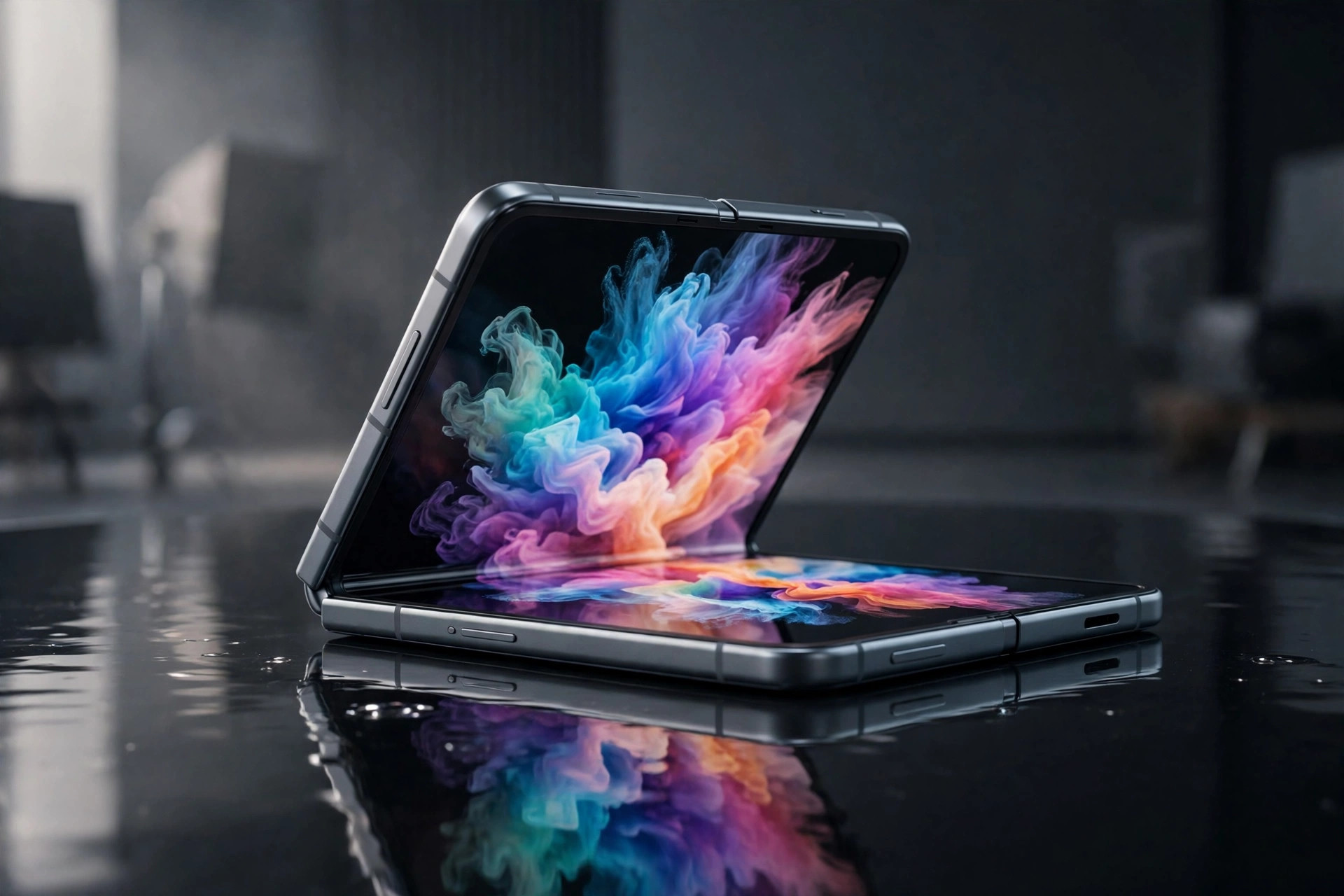
Foldable phones have moved past their fragile first generation. Newer hinge designs are thinner, screens resist creases better, and prices are slowly falling toward the mainstream. Expect two formats to dominate: book-style folds that open into a small tablet for reading and multitasking, and compact flip phones that shrink a full-size device into half the pocket space. Rollable concepts, where the screen extends from the side, are in development too. As durability improves and app developers optimise for larger folded screens, foldables will shift from novelty to a normal choice, a trend we track closely in our technology news coverage.
Cameras Become AI Creative Studios
The camera race has moved from megapixels to computation. Modern phones already combine multiple frames into one photo, remove strangers from backgrounds and relight portraits after the fact. The next step is generative assistance: your phone will suggest compositions in real time, extend a photo beyond its edges, and clean up shaky video to near-tripod quality. Low-light performance will keep improving through larger sensors paired with smarter processing, meaning the shot you get at a dim restaurant will soon look like it was taken at noon. For most people, the phone camera has already replaced the standalone camera; the coming years simply make that decision permanent.
Battery Technology Finally Moves
Battery life has improved slowly because the underlying chemistry changed little for decades. That is now shifting. Silicon-carbon batteries pack more energy into the same space and are already appearing in some models, while solid-state batteries promise bigger jumps in safety and capacity later in the decade. Just as important is charging speed: many phones can now regain half a charge in fifteen minutes, changing habits from overnight charging to quick top-ups. In the future of smartphones, a two-day battery with a fifteen-minute recharge is a realistic expectation rather than a fantasy, and it will quietly change how little we think about power at all.
What Better Batteries Unlock
- Thinner designs: more capacity in less space means slimmer phones.
- Heavier use: gaming, navigation and video without range anxiety.
- Longer lifespan: slower degradation keeps phones useful for more years.
AI Assistants That Actually Assist
The most significant change may be invisible. On-device AI is turning the phone assistant from a timer-setting novelty into something that summarises your messages, drafts replies in your style, translates calls live and manages your calendar proactively. Processing on the device itself keeps private data private and works without a connection. Expect your phone to handle small tasks end to end: rebooking a delayed journey, comparing prices before a purchase or warning you that a subscription price has risen. Phones will increasingly be judged by how intelligently they act, not just how quickly they open apps.
Connectivity, Materials and Sustainability
Satellite messaging, once a niche emergency feature, is spreading to ordinary phones, keeping you reachable far beyond mobile coverage. Faster, more efficient wireless standards will make cloud gaming and instant downloads routine. Sustainability is becoming a design priority too: recycled aluminium and glass, replaceable components, longer software support and trade-in programmes that keep materials in circulation. Regulators are pushing in the same direction, so the future of smartphones includes phones built to be repaired and kept, not replaced every two years. Our gadgets and reviews team already scores repairability and update policies alongside performance for exactly this reason.
Displays, Design and Durability
Screens will keep getting brighter, smoother and tougher. Outdoor readability has already improved dramatically, and the next generation of displays promises high brightness without the battery penalty, thanks to more efficient panels. Under-display cameras are refining toward invisibility, removing the notch and punch-hole entirely. Glass and frame materials are getting harder to scratch and crack, and water resistance is now expected rather than celebrated. Expect design itself to become more personal again: modular accessories, textured finishes and colours beyond black and white are returning as phones fight to look different in a mature market.
Security and Privacy by Design
As phones hold more of our money, identity and health data, security is becoming a headline feature rather than fine print. Fingerprint and face unlocking will be joined by passkeys that replace passwords across services, and on-device processing means sensitive AI tasks can happen without your data leaving the phone at all. Theft protection is improving too, with phones that lock themselves when snatched and accounts that cannot be stripped by a thief holding the device. Longer update commitments, now stretching to seven years from major brands, mean those protections keep arriving long after purchase, which is better for your wallet and for the planet.
What This Means for Your Next Upgrade
You do not need to chase every wave. If your current phone still receives security updates and the battery holds a day, waiting buys you more mature foldables, better AI and faster charging at lower prices. When you do upgrade, prioritise long software support, battery health and the camera system you will enjoy daily over headline features you will try once. The direction of travel is clear regardless: phones are becoming smarter, tougher and longer-lasting companions rather than disposable gadgets.
Conclusion
The future of smartphones is a story of many steady revolutions at once: flexible displays, computational cameras, breakthrough batteries and AI that genuinely helps. None of these requires you to upgrade today, but together they guarantee that your next phone will feel like a bigger leap than the last one did. Keep up with each development on the TechnologicalBody homepage, where we cover the announcements that matter and skip the noise.